1 stone available
Page 1 of 1
Also browse: Blue Sapphires · Padparadscha Sapphires · Pink Sapphires · Peach Sapphires
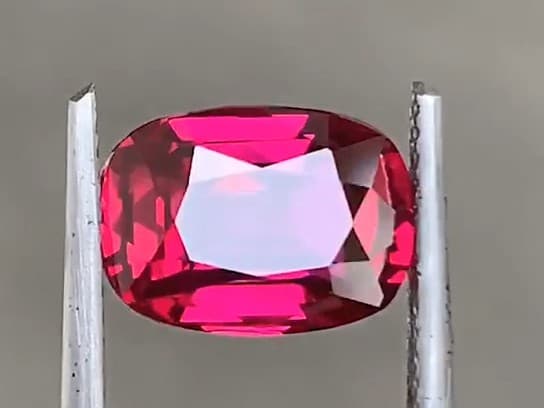
Ceylon rubies glow pinkish-red with prized silk, while dealers also carry stones of Burmese, Mozambique and other origins. Colour first, then origin, treatment and certification.
Ruby and sapphire are the same mineral — corundum — and the border between them is set by colour: stones deep enough in red are rubies, and everything else falls into the sapphire family. Ceylon rubies tend toward a pinkish-red with fine internal “silk”, while Burmese material is known for the intense, slightly purplish red historically called “pigeon's blood”. Mozambique, Madagascar and Thai stones round out the market.
Two things drive ruby value above all else: the colour, and what has been done to the stone. Heat treatment is standard and accepted; lead-glass fracture filling, which masks cracks and can affect durability, must always be disclosed and materially lowers value. For any significant ruby, buy on a laboratory report rather than a description, and check the colour in daylight before committing.
1 stone available
Also browse: Blue Sapphires · Padparadscha Sapphires · Pink Sapphires · Peach Sapphires